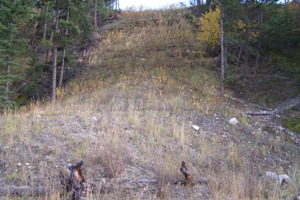
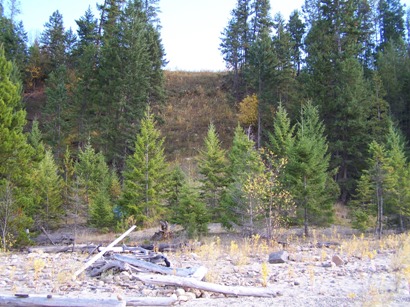
Slope Failure
Restoration using Spyder Hoe Assisted Planting on Steep
Slope
WALKER'S
LANDING ROAD PROJECT
Location:
Riondel, British Columbia
Client:
Ministry of Transportation and Highways
Objective:
To stabilize surficial materials, address surface and
seepage water on the slide face and control surface
erosion using biotechnical slope stabilization techniques.
To establish vegetative cover to reduce rill and gully
erosion.
Walker’s
Landing Road is a public road located on the east
shore of Kootenay Lake in Southeast British Columbia,
Canada.
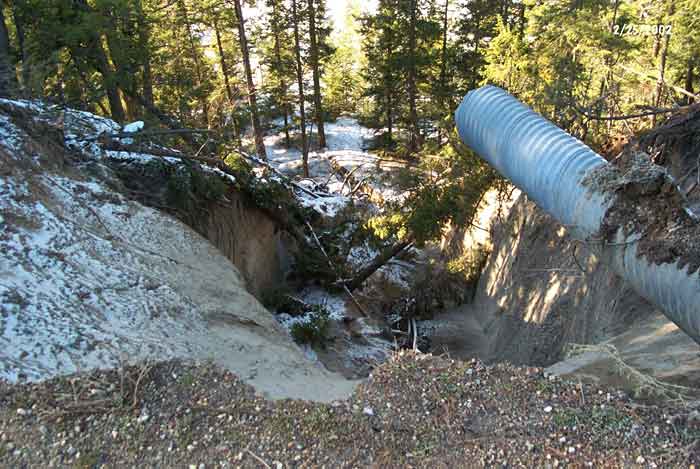
Diverted drainage from a gravel pit located above the
road from the failure site caused the original slide.
The initial slide occurred on February 2002 due to heavy
rainfall events that resulted in increased storm water
runoff. The increased velocity of this storm water runoff
created a deep vertical scar on the downstream end of
the culvert crossing Walker’s Landing Road. The
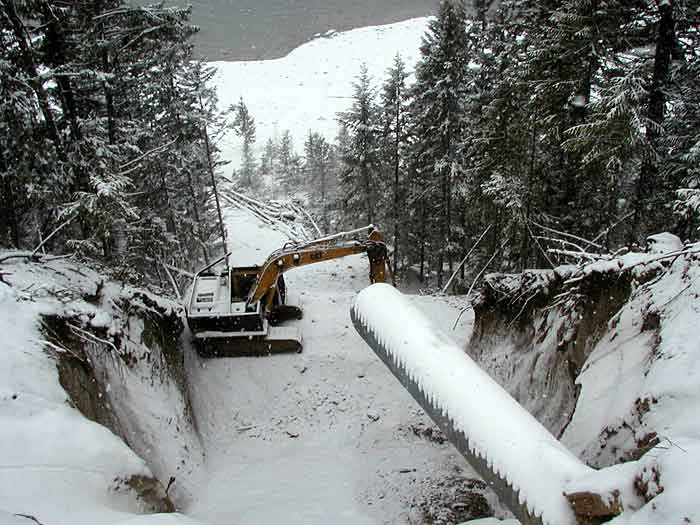
highway maintenance contractor removed the culvert above
the slope failure. The vertical scar was then filled
with gravel, cobble, and small boulder material while
compacted from the bottom up using an excavator. In
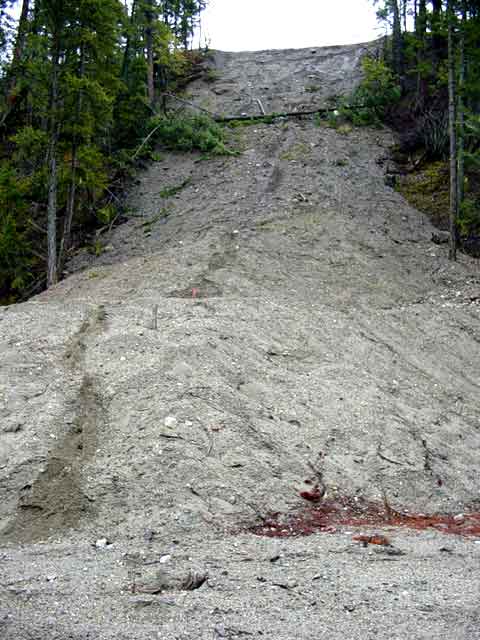
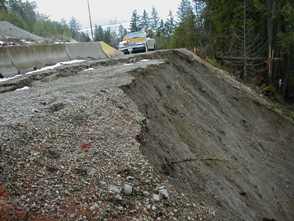
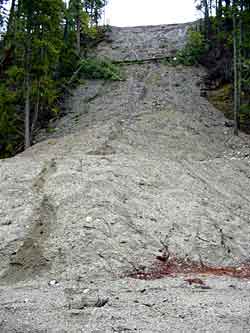
December 2002 a second failure occurred depositing approximately
90 m3 of sand, coarse gravel and cobbles on the beach
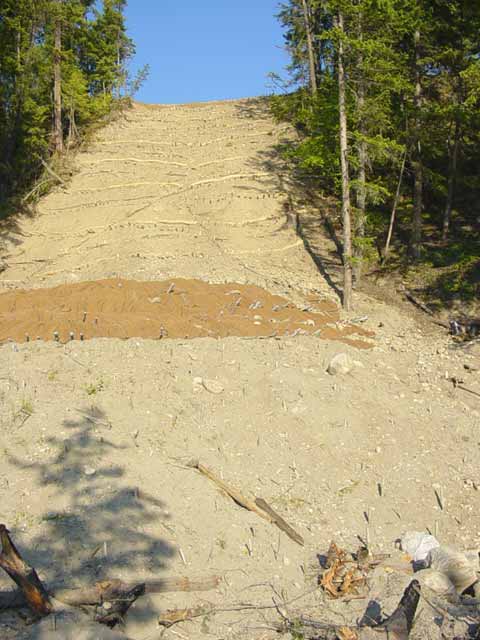
below. The original failure covers an area of approximately
18 m in width by 70 m slope distance. The slope angle
ranges from 35 to 40 degrees. In March of 2003 Terra
Erosion Control Ltd. in association with William H.
Wells Consulting was retained to carry out a field assessment
and to prescribe a biotechnical slope stabilization
treatment.
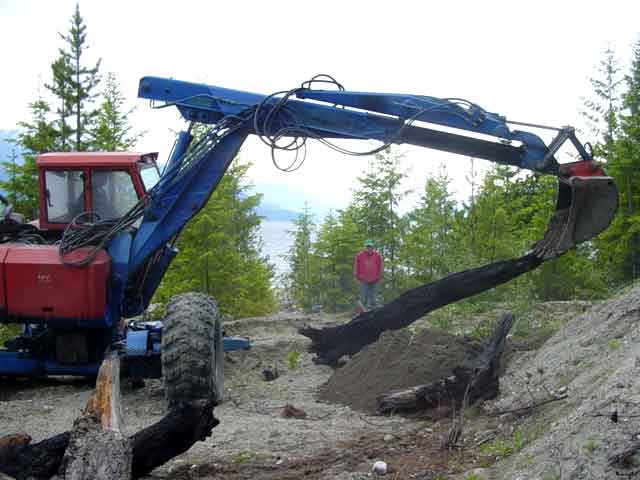
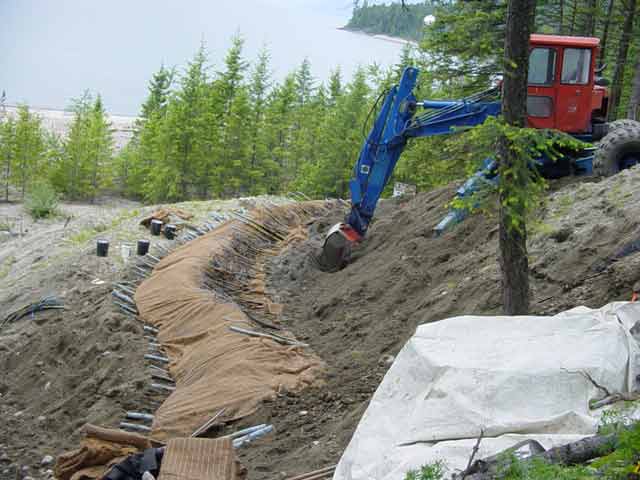
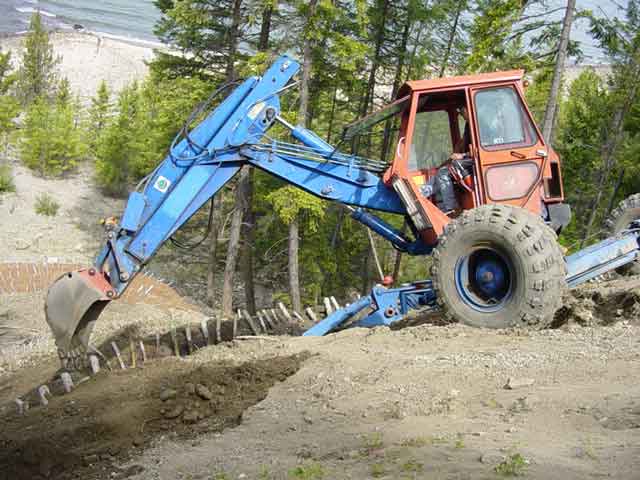
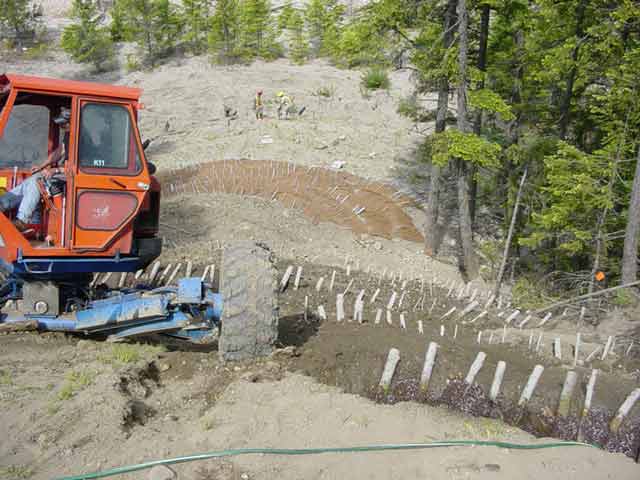
In May 2003
Terra Erosion Control Ltd. implemented the prescribed
treatments. An excavator was used to pull back oversteepened
material at the head scarp to make the slope angle consistent
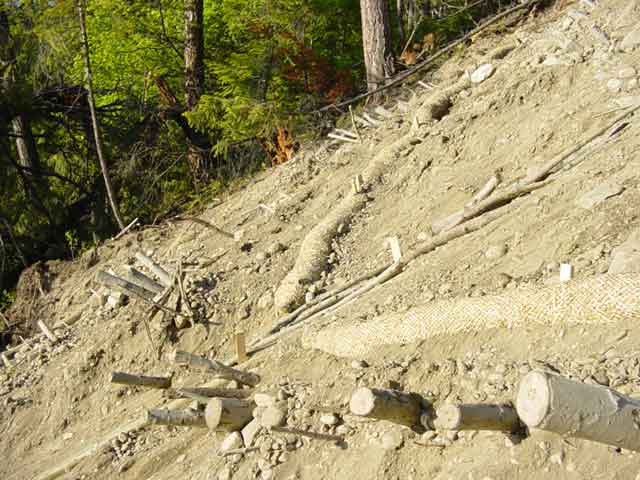
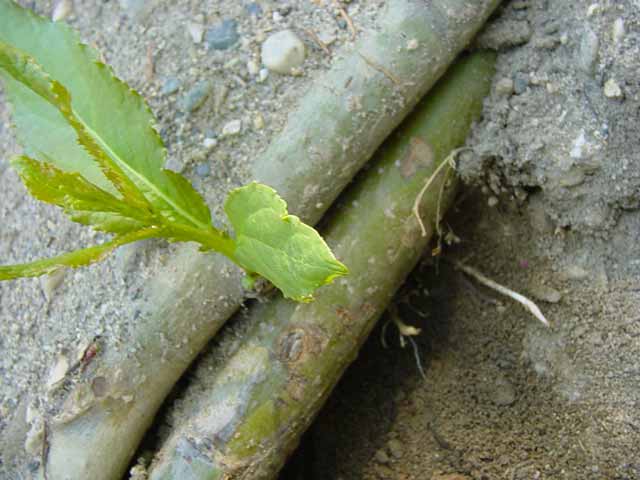
with the remainder of the slope. Vegetated lifts, brush
layers, fascines, live staking and live pole drains
were installed with the combined assistance of a spyder
hoe and manual laborers. The species component of the
structures was 80% black cottonwood (Populus balsamifera
ssp. trichocarpa) and 20% willow (Salix scouleriana).
In order to enhance the moisture retaining capacity
during the summer drought and provide additional nutrients
to the site, a special blended growing medium was applied.
These techniques will help stabilize the site by addressing
surface erosion, directing surface and seepage water,
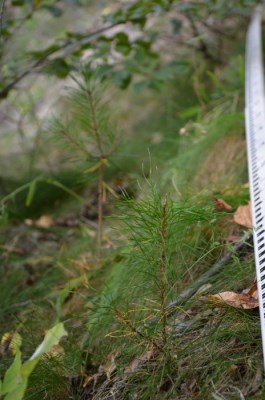
and establishing a woody shrub component. A mix of grasses
and legumes was broadcast, and native seedlings were
planted to provide deep- rooted nitrogen fixation to
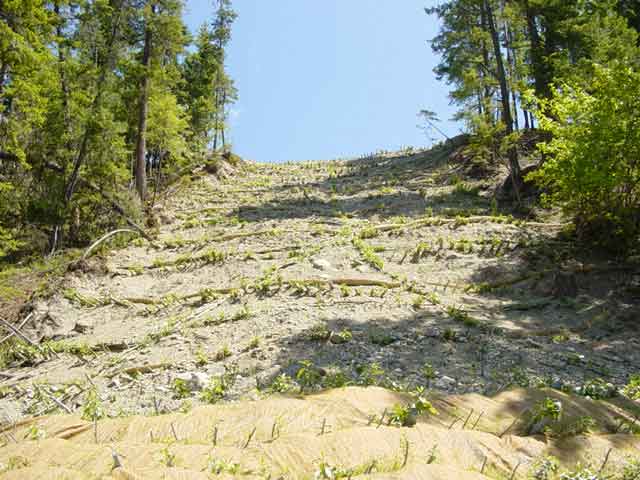
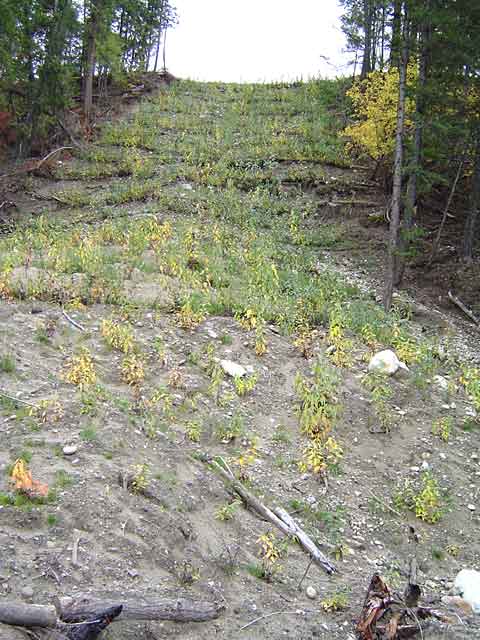
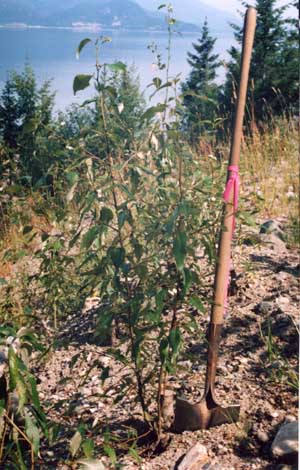
the soils. The site was then monitored in the fall of
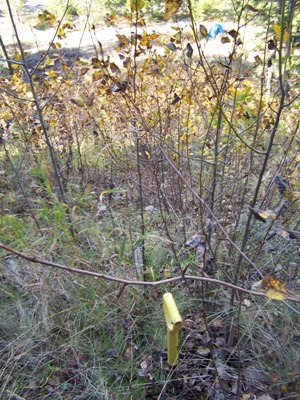
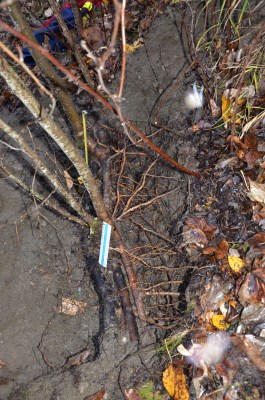
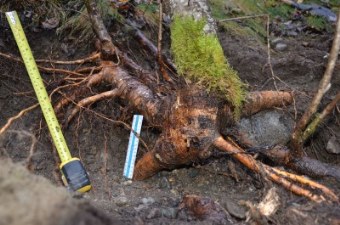
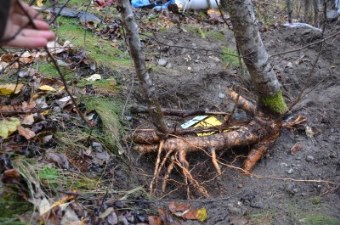
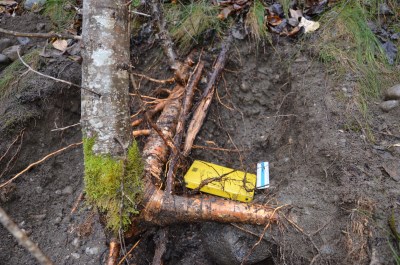
2003. Survival and growth were considered excellent
even after an extremely hot and dry summer.
The site was
visited again in July of 2004 and October 2005.
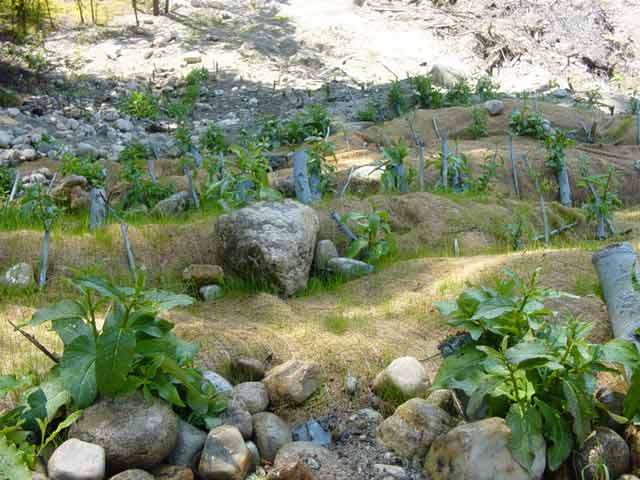
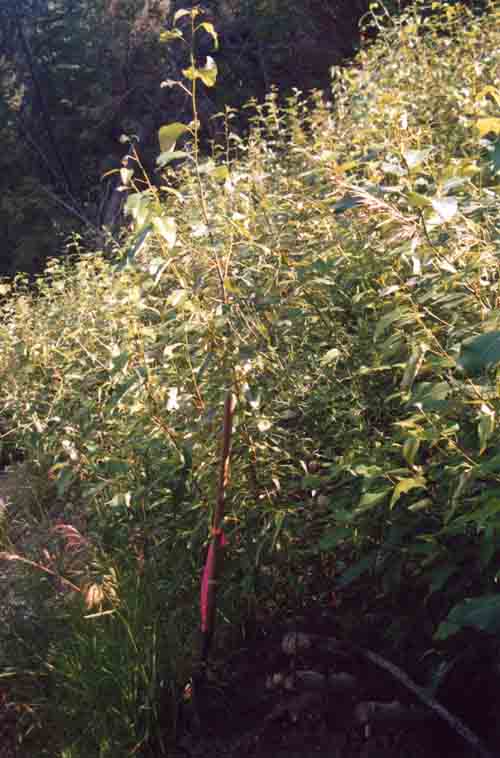
During the last site visit the survival was estimated
to be approximately 90%. Grasses and legumes were
becoming established and native herbaceous species such
as Epilobium ang. and Rubus par. were invading the site.
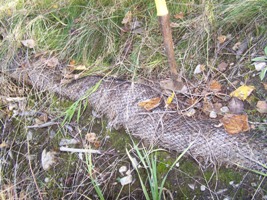
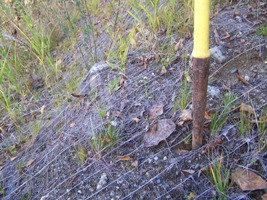
It was noted that the erosion control matting
mesh used on a portion of the site was not biodegraded
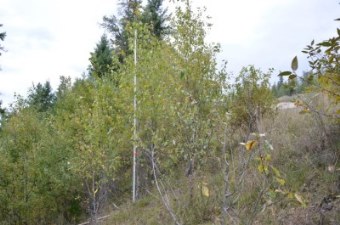
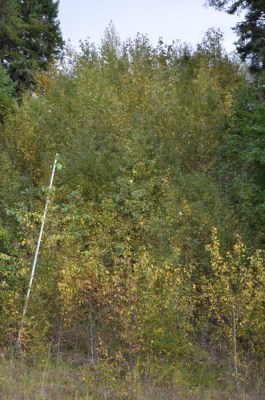
after a period of 3 years. The average growth
on the brush layers was 3.5 m, 2.2 m for the live pole
drain, 3.3 m for the drain fascines and 1.5 m for the
Alnus tenuifolia seedlings.
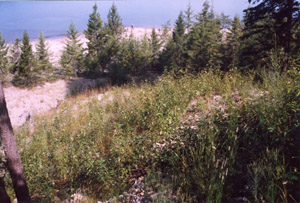
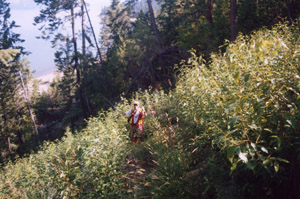
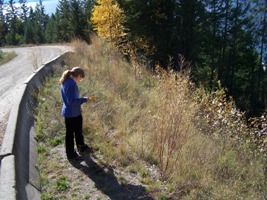
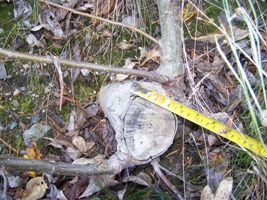
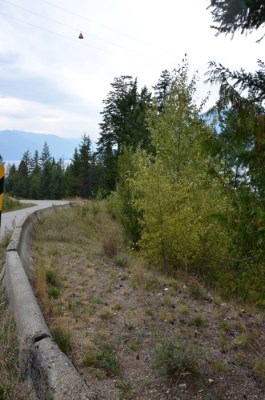
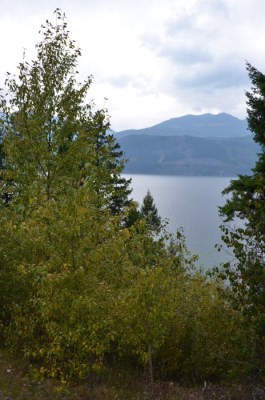
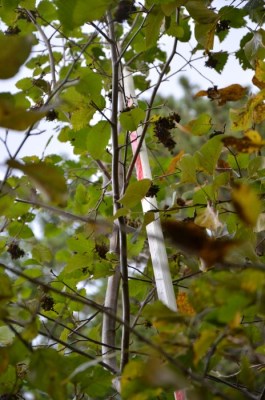
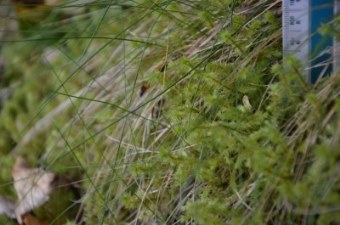
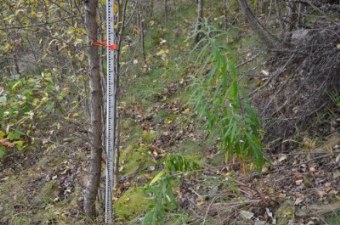
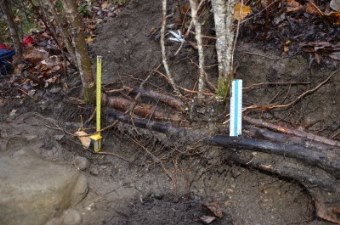
Additional monitoring took place in the fall of 2014. See the photos at the bottom of the page.
|